How to Create a Balanced Skincare Routine
How to create a balanced skincare routine – Creating a balanced skincare routine is essential for achieving and maintaining healthy skin. With countless products available, understanding your skin type and how to cater to its unique needs is crucial. This guide will walk you through the necessary steps to develop a personalized skincare routine that fits your lifestyle and skin requirements.
Understanding Skin Types, How to create a balanced skincare routine
Identifying your skin type is the foundation of any effective skincare routine. The main skin types include oily, dry, combination, and sensitive skin, each with distinct characteristics. Oily skin is often shiny and prone to acne; dry skin tends to feel tight and may exhibit flakiness; combination skin shows traits of both oily and dry; while sensitive skin can react to many products, resulting in redness or irritation.To select the right products, it’s essential to understand how your skin type influences product efficacy.
For instance, oily skin may benefit from lightweight, oil-free products, whereas dry skin may require richer, moisturizing formulas. To effectively determine your skin type, consider the following steps:
- Wash your face with a gentle cleanser and wait for an hour.
- Observe how your skin feels: tightness indicates dryness, while excess shine suggests oiliness.
- Assess different areas: combination skin may feel oily in the T-zone but dry elsewhere.
Essential Components of a Skincare Routine
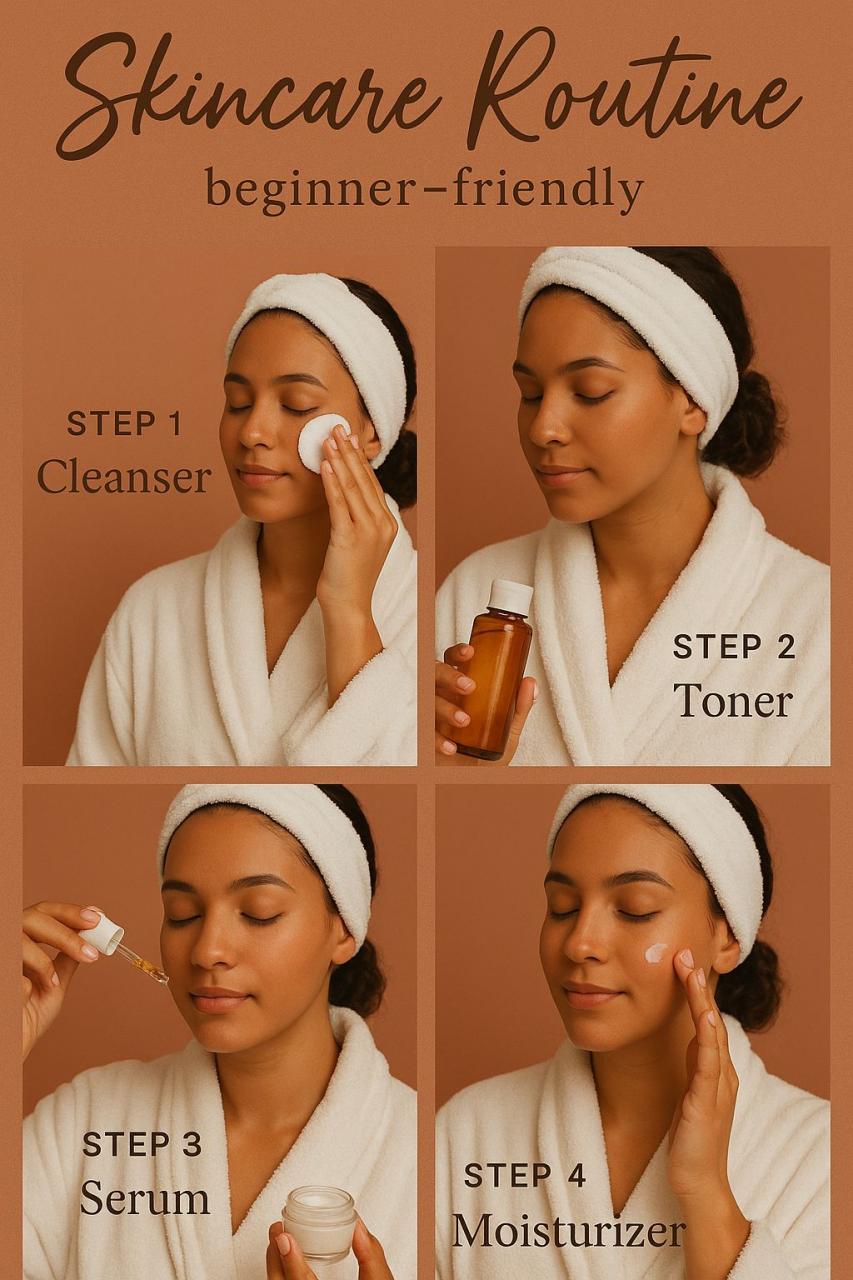
A daily skincare routine should consist of several fundamental steps that promote skin health. The core components include cleansing, toning, moisturizing, and sun protection. Each of these plays a vital role in maintaining balanced skin.
Cleansing
Removes dirt, oil, and makeup, preventing clogged pores.
Toning
Restores skin’s pH balance and prepares it for better absorption of products.
Moisturizing
Hydrates the skin, sealing in moisture and preventing dryness.
Sun Protection
Shields the skin from harmful UV rays, reducing the risk of premature aging and skin cancer.Exfoliation is also crucial in a skincare routine. It removes dead skin cells, promoting cell turnover and a smoother complexion. You can incorporate it into your routine by using physical exfoliants like scrubs or chemical exfoliants like AHAs and BHAs, ideally 1-2 times a week.
Selecting Products for Each Skin Type
Choosing the right products is essential for addressing your specific skin type effectively. Below is a comparison table of recommended products based on skin types, along with key ingredients to look for.
| Skin Type | Recommended Products | Key Ingredients |
|---|---|---|
| Oily | Gel cleansers, Oil-free moisturizers | Salicylic acid, Niacinamide |
| Dry | Creamy cleansers, Hydrating serums | Hyaluronic acid, Glycerin |
| Combination | Balancing toners, Lightweight lotions | Jojoba oil, Alpha hydroxy acids |
| Sensitive | Fragrance-free products, Soothing gels | Aloe vera, Chamomile |
Before trying any new product, it’s wise to conduct a patch test to ensure it doesn’t cause any adverse reactions. Apply a small amount on your inner arm and observe for 24 hours.
Incorporating Active Ingredients
Active ingredients are powerful components that can transform your skincare routine. Ingredients like retinol, vitamin C, and hyaluronic acid offer specific benefits:
Retinol
Enhances cell turnover, reducing fine lines and wrinkles.
Vitamin C
Brightens the skin and helps with pigmentation.
Hyaluronic Acid
Attracts moisture, ensuring skin remains hydrated.When incorporating active ingredients, it’s crucial to layer them correctly. Start with the lightest formulas and work your way to thicker ones, allowing each layer to absorb before adding the next.
Seasonal Adjustments to Skincare
Seasons greatly affect skin health. For example, winter can lead to dryness while summer can increase oiliness. Adjusting your skincare routine according to the weather is essential for maintaining skin balance.In colder months, consider using richer moisturizers and adding a humidifier to your environment. In the summer, opt for lightweight, gel-based products and ensure your sunscreen is oil-free. Seasonal products may include heavier creams for winter and water-based serums for summer.
Recognizing and Addressing Skin Concerns
Common skin concerns include acne, dryness, and signs of aging. Each issue may require targeted treatments. For acne, look for products containing benzoyl peroxide or salicylic acid. For dryness, prioritize moisturizing ingredients like ceramides. Aging skin benefits from retinoids and antioxidants.It’s crucial to consult a dermatologist if you experience persistent skin issues that don’t improve with over-the-counter products.
They can provide tailored advice and treatments suited to your skin’s specific needs.
Building a Nighttime Skincare Routine
An effective nighttime skincare routine is vital for skin recovery and repair. The structured steps include:
- Remove makeup and cleanse your face thoroughly.
- Apply a treatment serum or active ingredient.
- Moisturize to lock in hydration overnight.
- Consider adding a richer cream for extra nourishment.
Overnight treatments often work more effectively since skin cells renew during sleep. Choose products specifically designed for nighttime use, which may include heavier formulas or targeted treatments for specific concerns.
Maintaining a Consistent Routine
Consistency is key in skincare. To maintain a regular regimen, consider setting reminders or using a skincare app to track your products and results. Regularly assess your skin’s response and adjust your routine as necessary.Patience is essential; skincare results often take time to manifest. Setting realistic expectations will help you stay committed to your routine while enjoying the journey to healthier skin.