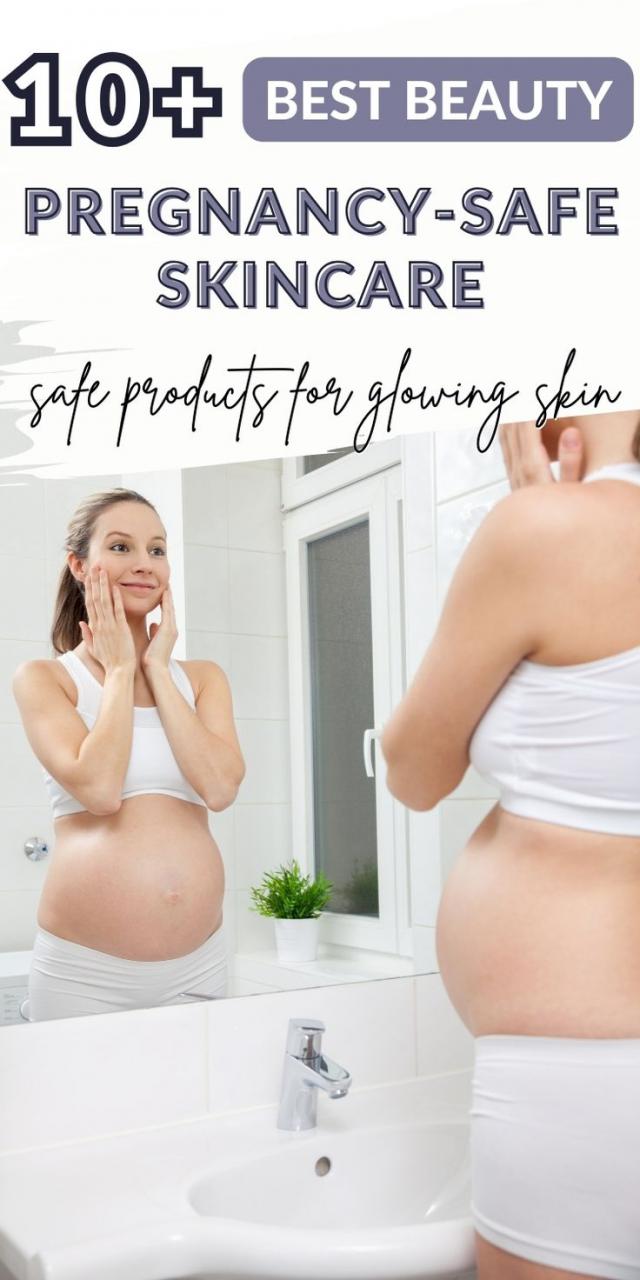
Pregnancy is an exciting and transformative time, not only for your body but for your skin as well. The hormonal changes that occur during pregnancy can lead to a variety of skin changes, from the famous “pregnancy glow” to challenges like acne, pigmentation, and stretch marks. To help you maintain healthy, glowing skin during this special time, here are some essential tips and skincare advice to keep your skin feeling its best.
1. Stay Hydrated
Staying hydrated is one of the most important aspects of maintaining healthy skin during pregnancy. Your body needs extra hydration to support both you and your growing baby, and this includes keeping your skin moisturized and radiant.
Drink plenty of water throughout the day—aim for at least 8-10 glasses daily. This helps flush out toxins, improves skin elasticity, and prevents dryness. Hydration can also help reduce pregnancy-related skin issues like acne or dry patches. If you struggle with drinking enough water, try infusing your water with fruits like lemon, cucumber, or berries to make it more refreshing.
2. Follow a Gentle Skincare Routine
Your skin becomes more sensitive during pregnancy, so it’s important to use gentle skincare products that are free of harsh chemicals or irritants. Avoid products that contain ingredients such as retinoids, salicylic acid, or parabens, as these can be harmful to both you and your baby.
Instead, opt for mild cleansers, hydrating toners, and non-comedogenic moisturizers. Look for products labeled as “pregnancy-safe” or those formulated specifically for sensitive skin. Additionally, avoid scrubbing your skin too harshly to prevent irritation. A gentle, consistent skincare routine will help you maintain healthy skin throughout your pregnancy.
3. Take Care of Acne Breakouts
Pregnancy hormones can trigger acne flare-ups, especially during the first trimester. The increase in progesterone levels can lead to increased oil production, clogging pores and causing pimples. If you experience acne during pregnancy, it’s important to treat it with safe and gentle products.
Avoid using over-the-counter acne treatments with strong active ingredients like benzoyl peroxide or salicylic acid, as these may not be safe during pregnancy. Instead, use gentle alternatives like tea tree oil or products containing sulfur, which can help fight acne without causing harm. You can also incorporate a mild, pregnancy-safe face wash to keep your skin clean and avoid further breakouts.
4. Protect Your Skin from the Sun
During pregnancy, your skin becomes more sensitive to the sun due to hormonal changes. This can lead to an increased risk of pigmentation, such as melasma (also known as the “mask of pregnancy”). To prevent sun damage, it’s essential to wear sunscreen daily.
Choose a broad-spectrum sunscreen with an SPF of 30 or higher, preferably one that is formulated for sensitive skin. Look for physical sunscreens containing ingredients like zinc oxide or titanium dioxide, which provide gentle protection without irritating the skin. Apply sunscreen every morning, even on cloudy days, and reapply if you’re spending time outdoors for extended periods.
5. Moisturize to Prevent Stretch Marks
Stretch marks are a common concern during pregnancy as your skin stretches to accommodate your growing baby. While it’s impossible to completely prevent stretch marks, moisturizing your skin can help improve its elasticity and reduce the appearance of these marks.
Look for moisturizing creams and oils that are rich in ingredients like cocoa butter, shea butter, and vitamin E. These ingredients are known for their ability to hydrate and nourish the skin, improving its stretchability. Apply your chosen moisturizer regularly, especially to areas prone to stretch marks such as your belly, hips, thighs, and breasts. Massaging the moisturizer in circular motions can also help improve circulation and reduce the appearance of stretch marks over time.
6. Soothe Dry or Itchy Skin
As your belly grows during pregnancy, you may experience dry or itchy skin due to stretching. This can be particularly common during the second and third trimesters. To alleviate discomfort, make sure to keep your skin well-moisturized with hydrating lotions or oils. Choose products that contain ingredients like aloe vera or calendula, which have soothing and anti-inflammatory properties.
In addition to moisturizing, avoid hot showers, as hot water can strip your skin of its natural oils. Opt for lukewarm water and limit your shower time to help maintain your skin’s moisture balance. If your skin becomes excessively dry or itchy, consult your doctor to rule out any underlying conditions like eczema or pregnancy-related dermatitis.
7. Embrace the Pregnancy Glow
One of the most celebrated aspects of pregnancy is the “pregnancy glow,” where your skin looks more radiant and dewy. This glow is often attributed to the increase in blood circulation and hormonal changes, and it can make your skin look naturally beautiful and luminous.
To enhance your pregnancy glow, keep your skin hydrated and nourished, and maintain a healthy diet rich in fruits, vegetables, and healthy fats. Avoid stress and get enough sleep to give your skin the time it needs to regenerate. Light exercise, such as walking or prenatal yoga, can also improve circulation and promote that radiant pregnancy glow.
8. Avoid Harsh Chemicals and Fragrances
During pregnancy, your skin may become more sensitive to certain chemicals and fragrances found in skincare products. To minimize the risk of irritation or allergic reactions, it’s best to avoid products that contain synthetic fragrances, parabens, sulfates, and other harsh chemicals.
Instead, opt for fragrance-free, hypoallergenic products that are specifically formulated for sensitive skin. Organic and natural skincare products are also a good option for minimizing your exposure to potentially harmful chemicals.
9. Get Enough Rest and Manage Stress
Getting enough sleep and managing stress is just as important for healthy skin during pregnancy as your skincare routine. Lack of sleep and stress can contribute to skin issues such as acne, dark circles, and dullness.
Make sure to get 7-9 hours of sleep each night and practice relaxation techniques like meditation, deep breathing, or prenatal yoga. Managing stress will help you maintain not only glowing skin but also overall well-being during your pregnancy.
10. Consult Your Dermatologist
If you experience severe skin issues during pregnancy, such as intense acne, rashes, or other skin conditions, it’s important to consult your dermatologist. They can recommend safe, pregnancy-approved products or treatments that will help you maintain healthy skin throughout your pregnancy.
Your dermatologist can also provide guidance on how to manage any skin changes that may arise, ensuring that your skincare routine is both safe and effective during this time.
Conclusion
Pregnancy is a time of exciting changes, and your skin will undoubtedly undergo its own transformation. By following these tips—staying hydrated, using gentle skincare products, moisturizing to prevent stretch marks, and protecting your skin from the sun—you can maintain healthy, glowing skin throughout your pregnancy. Remember to consult your healthcare provider for personalized advice, and enjoy the journey of caring for your skin as you prepare for your little one’s arrival!